
The UCF Office of Global Perspectives & International Initiatives (GPII) in partnership with Global Peace 360 invite you to a screening of the award-winning documentary A Fragile Peace: Brexit and Northern Ireland, which examines the legacy of the Good Friday Agreement and the ongoing challenges of peace and reconciliation in Northern Ireland in the context of Brexit. This powerful story of three people striving to maintain peace offers a rare and moving glimpse into the region’s history, resilience, and continuing journey toward reconciliation.
A panel discussion will follow the screening, featuring the film’s director, Rory Duffy, and Co-Director of Northern Ireland Alternatives, Debbie Watters, who is also featured in the documentary. Together, they will reflect on the political, historical, and community-level dimensions of peacebuilding and the work required to sustain peace beyond formal agreements.
Do not miss the opportunity to experience this acclaimed documentary and to hear firsthand from the people who made it possible.
3:00 – 5:00 PM EST
This event is free and open to the public.
You can download the University Map, here.
Advanced Registration is REQUIRED. Please REGISTER HERE.
For more information, you can download the flyer here.
We look forward to seeing you there!
+++++++
Speakers:
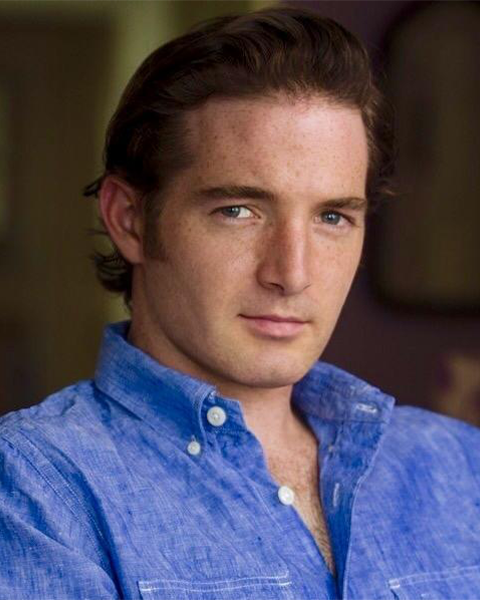
Rory Duffy is an award-winning filmmaker and historian with degrees in both film and history. His work includes A Fragile Peace: Inside Brexit and Belfast, Memories From Ground Zero, and The Bench. He has worked with directors Hal Hartley and Amy Sherman-Palladino and has appeared in Blue Bloods, Law & Order: SVU, and The Marvelous Mrs. Maisel. Rory is also an adjunct professor of American history at the City College of New York.
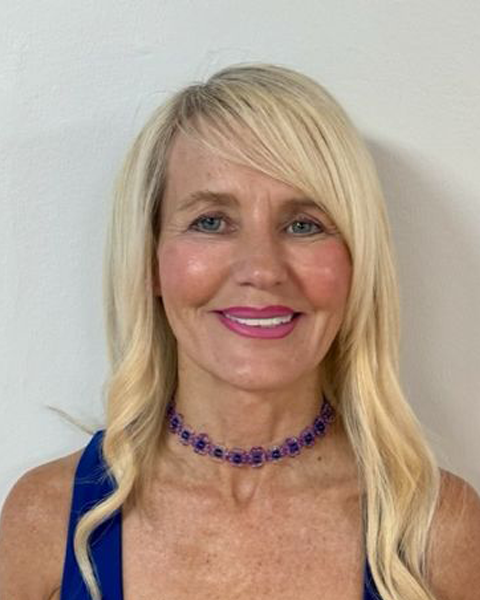
Debbie Watters is the Chief Executive Officer and a founding member of Northern Ireland Alternatives, a community-based restorative justice project established in 1998 to provide non-violent alternatives to summary justice in loyalist communities. For 35 years, she has worked in justice, peacebuilding, reconciliation, community relations, and youth work, including serving as a restorative justice practitioner for three decades and helping adapt U.S. restorative justice models to Northern Ireland.
She is active in lobbying, advocacy, training, and community empowerment—working with local communities, women’s groups, schools, universities, and statutory agencies—and has provided international training and lectures in places such as Colombia, Russia, Israel, and Palestine. Debbie has taught at Queen’s University Belfast and Ulster University and has co-authored articles on restorative practice in post-conflict societies.
She served nine years on the Northern Ireland Policing Board, including four as Vice-Chair, is an Adjunct Professor at Ulster University, and is Chair of the Restorative Justice Council UK. She was recently awarded an OBE for her contributions to peacebuilding and restorative justice.
Moderator:
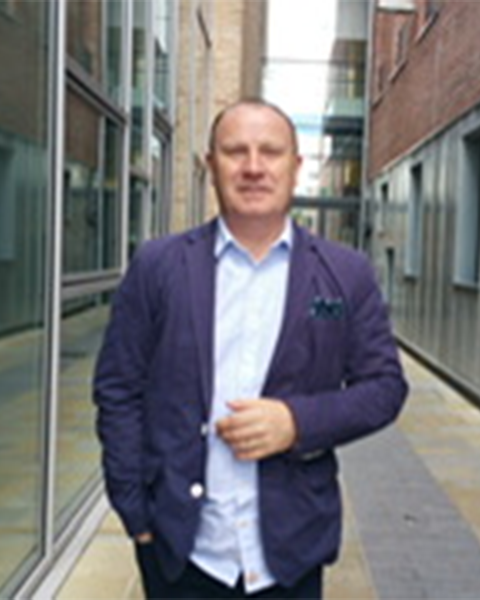
Rev. Dr. Gary Mason is a Methodist minister and director of Rethinking Conflict, a Belfast-based conflict transformation organization. A longtime clergy leader with 27 years in parish ministry, he has played a significant role in the Northern Ireland peace process, advising Protestant ex-combatants and helping facilitate negotiations between paramilitaries and government officials. His work helped create the $30 million Skainos project, Western Europe’s largest faith-based redevelopment, and his church hosted the 2009 announcement of Loyalist weapons decommissioning. His contributions were recognized by Queen Elizabeth in 2007.
Mason lectures internationally on lessons from the Irish peace process and has been widely interviewed and published. He holds a PhD in Psychology, theological training from Queen’s University, and a Business Studies degree from the University of Ulster, as well as an honorary doctorate for his peacebuilding work. He is a Senior Research Fellow at Maynooth University, a visiting professor at Emory University, and an affiliated expert with Harvard-linked negotiation and conflict resolution initiatives.